

What to See at Stonehenge
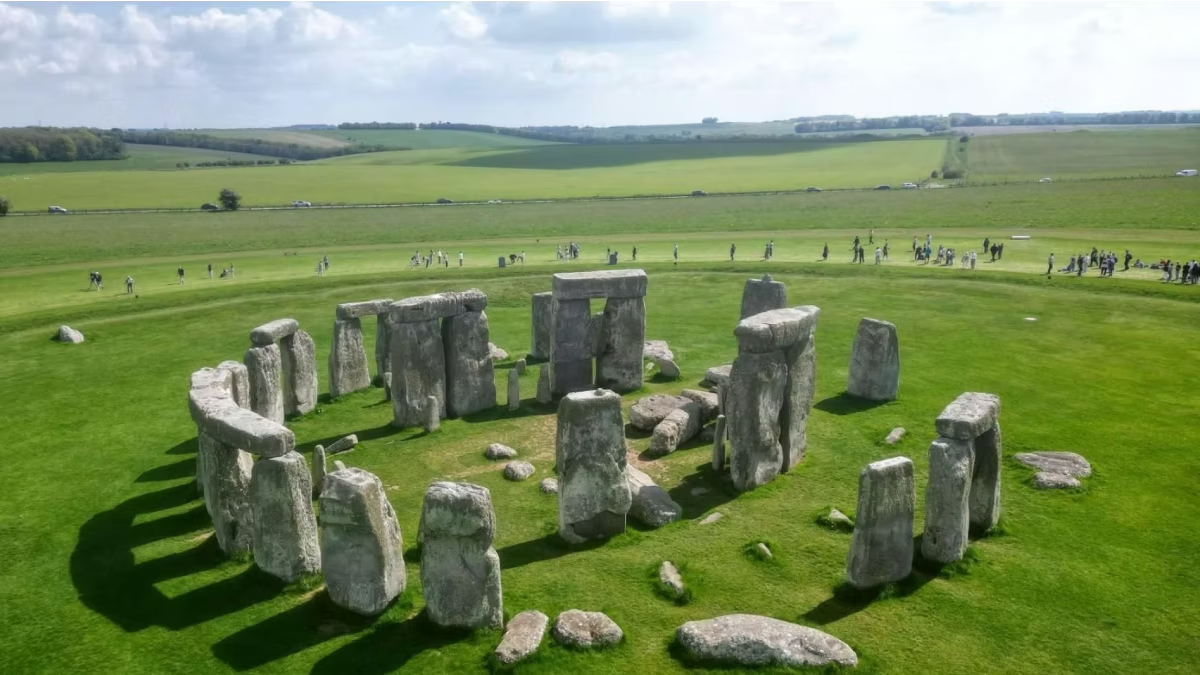
Stonehenge is one of the world’s most iconic prehistoric monuments. Discover the must-see highlights, best vantage points, and hidden gems that make your visit unforgettable.
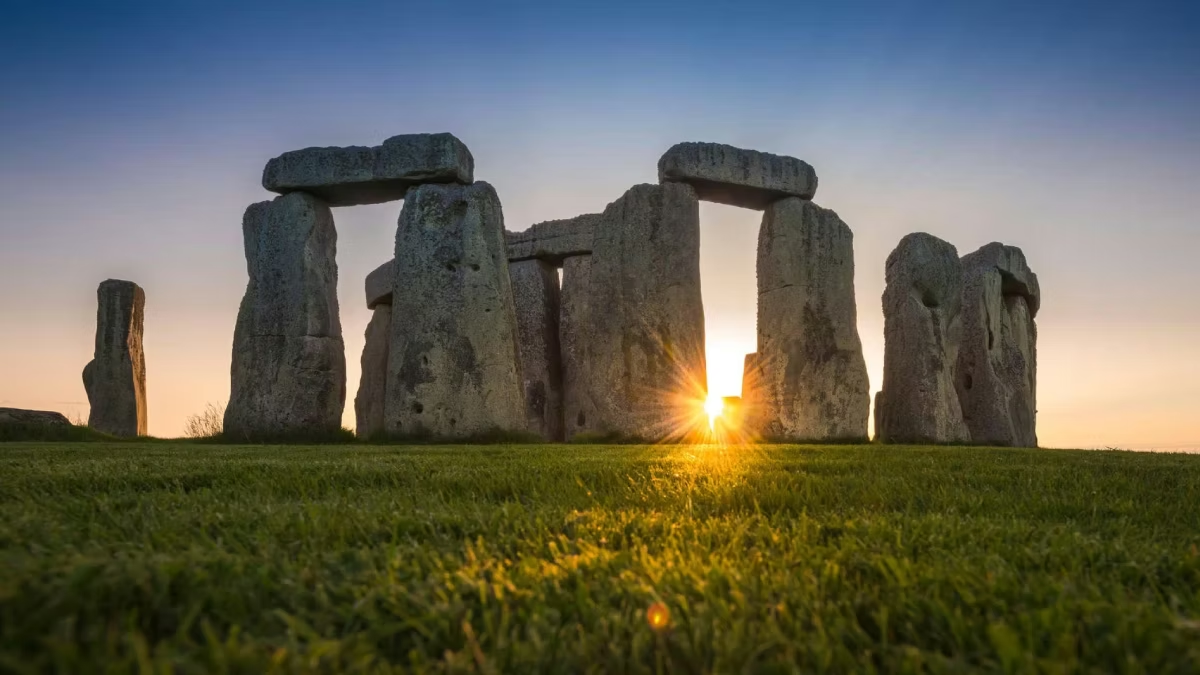
Top Highlights at Stonehenge
The headline sights and experiences most visitors want to see first.
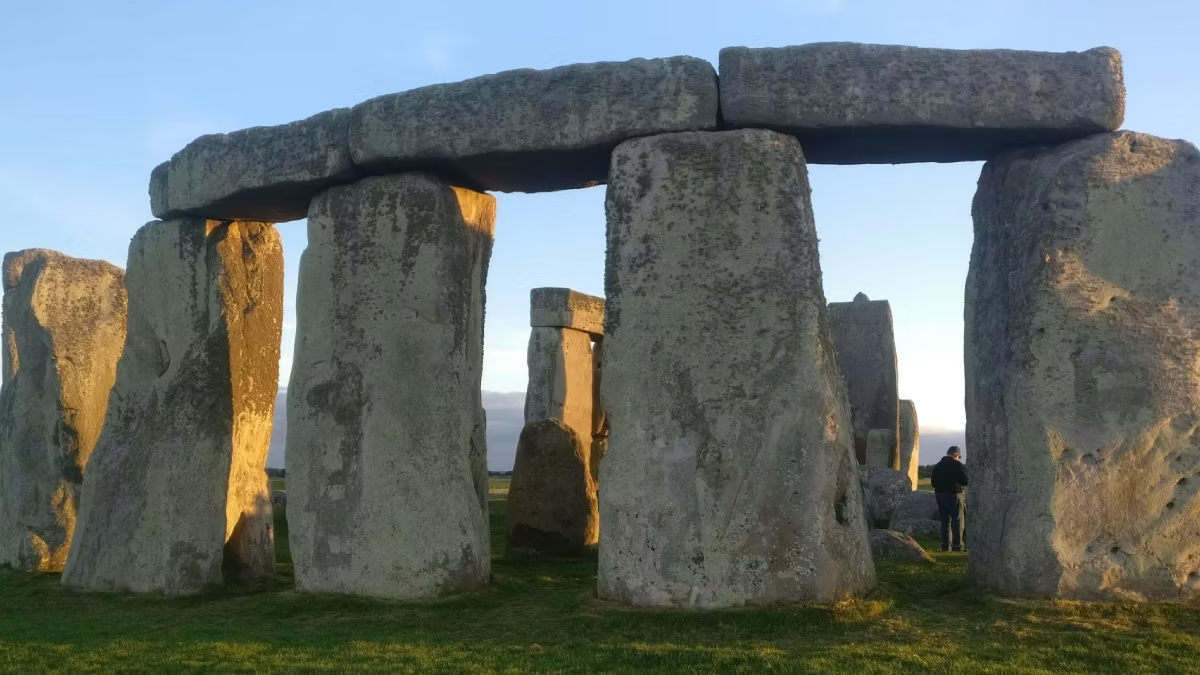
Stonehenge: History, Facts & Purpose
Stonehenge was built in stages over 1,500 years, yet its exact purpose remains one of archaeology’s great mysteries. Walk among stones aligned to the solstice sun and explore evidence of ancient ceremonies and burials that shaped this sacred landscape for millennia.
Explore →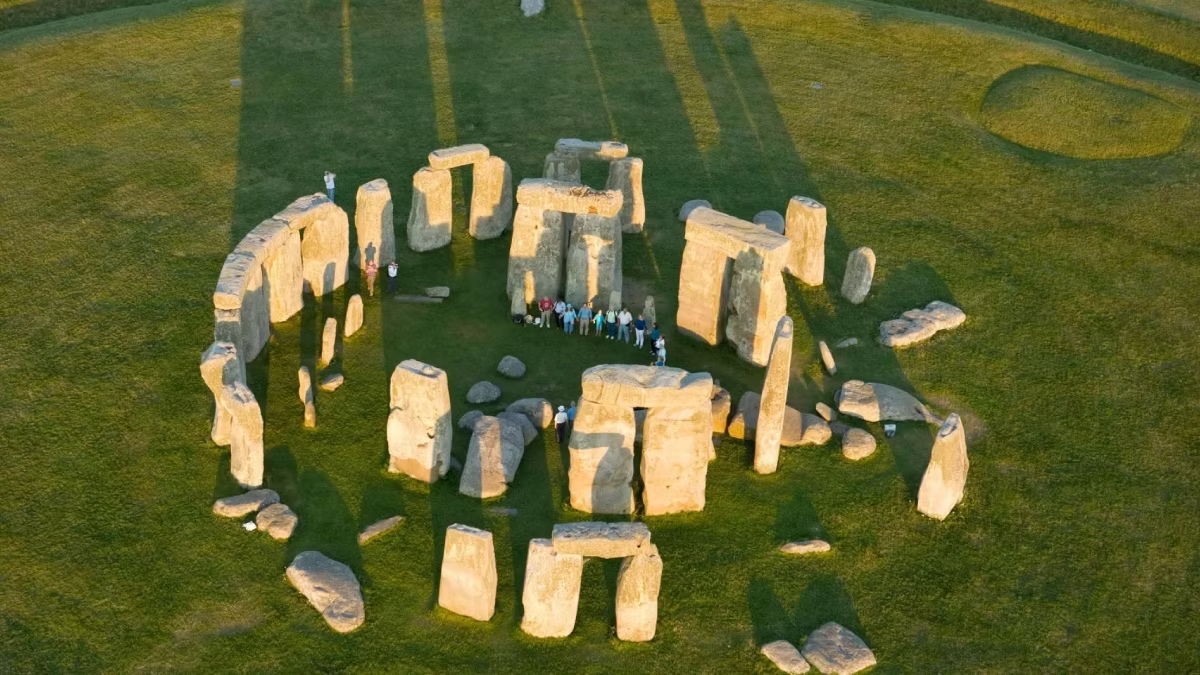
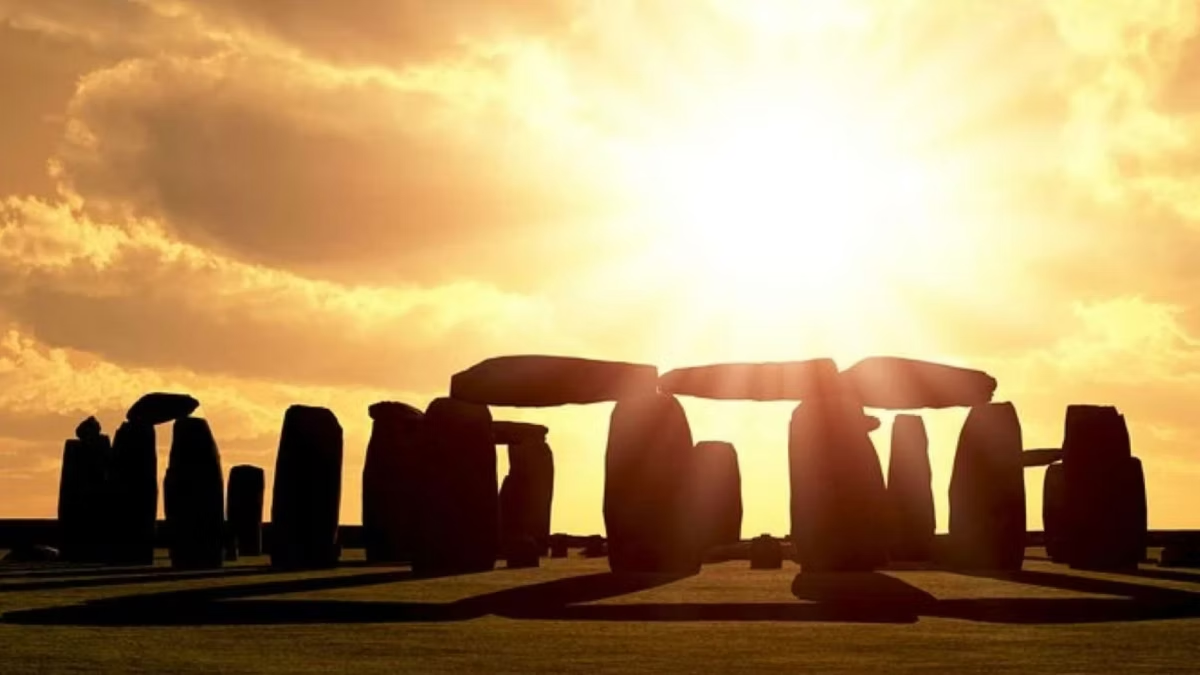
Stonehenge at Sunrise & Solstice
The Stone Circle Experience puts you inside the monument at sunrise with just 52 people — a controlled, close-up encounter that costs £70 per adult. The summer and winter solstices offer free open access among thousands, trading intimacy for the raw spectacle of the sun aligning with the stones.
Explore →The Stones and Features of Stonehenge
A closer look at the stones themselves — their origins, key features, and the best spots to photograph them.
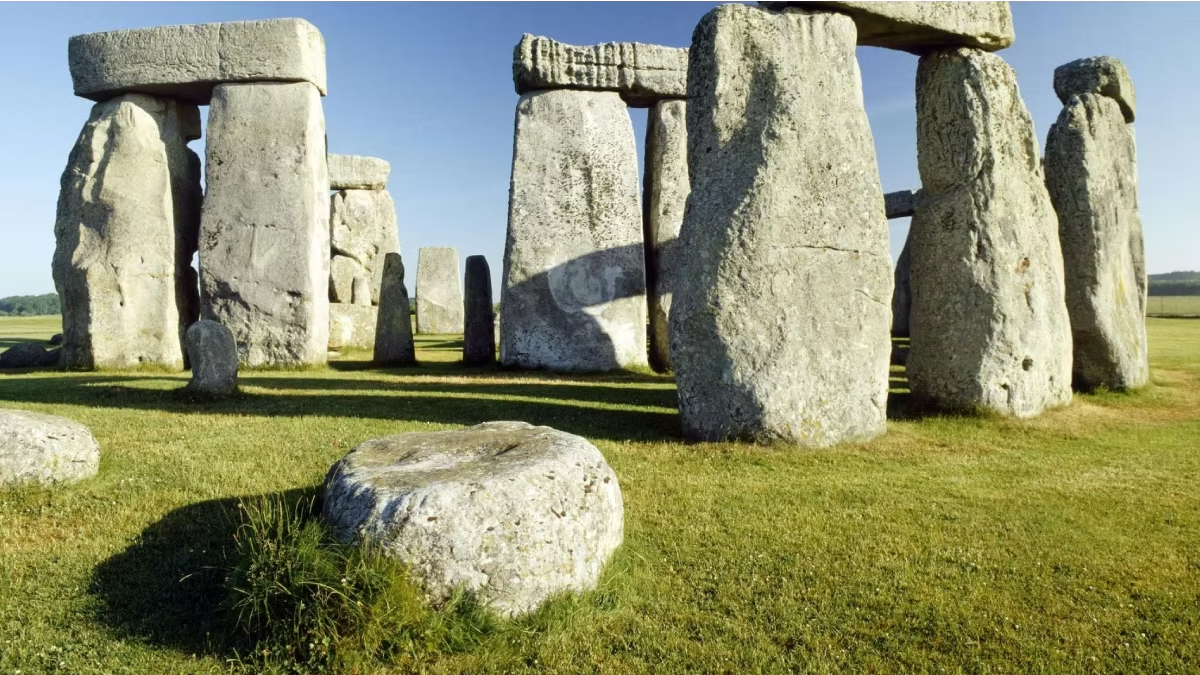
Stonehenge Stones: Types & Origins
Learn the difference between sarsens and bluestones, and how they were transported and raised. Explore Stonehenge’s complete construction methods and techniques.
Read guide →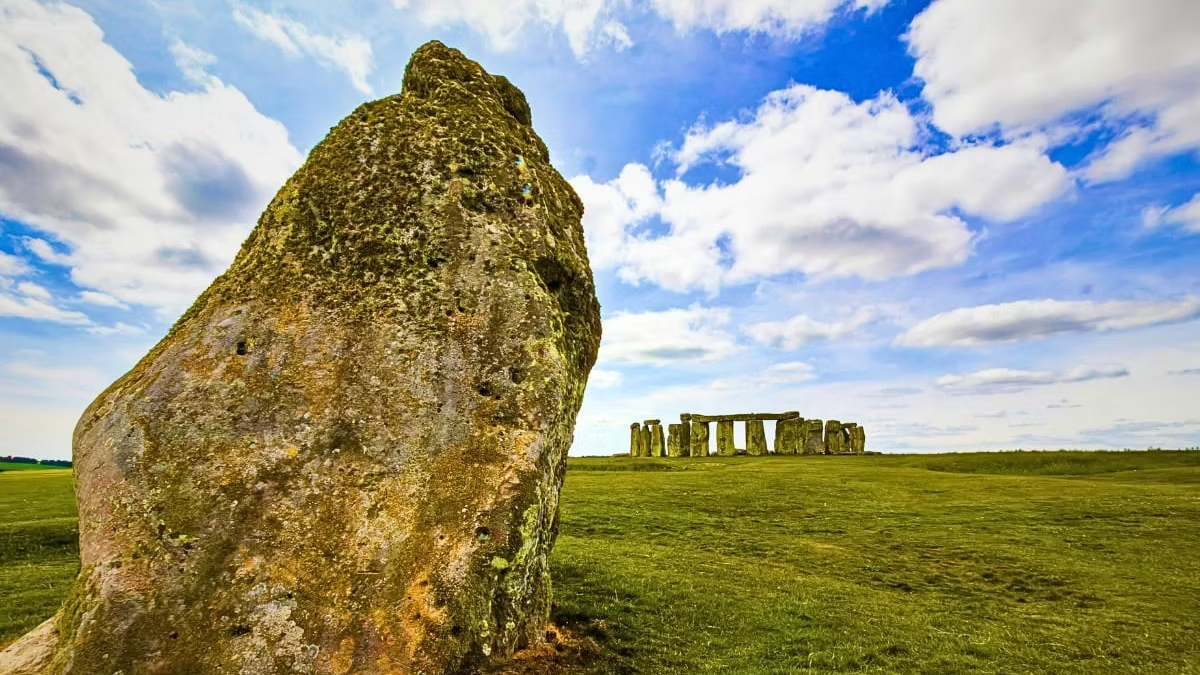
Heel Stone & Key Features
Discover the major stones and features that make Stonehenge remarkable. Learn about the Heel Stone, trilithons, sarsens, bluestones, the Altar Stone, and the Slaughter Stone. Understand the ancient architectural elements that shaped this sacred landscape.
Read guide →
Best Photography Spots & Times
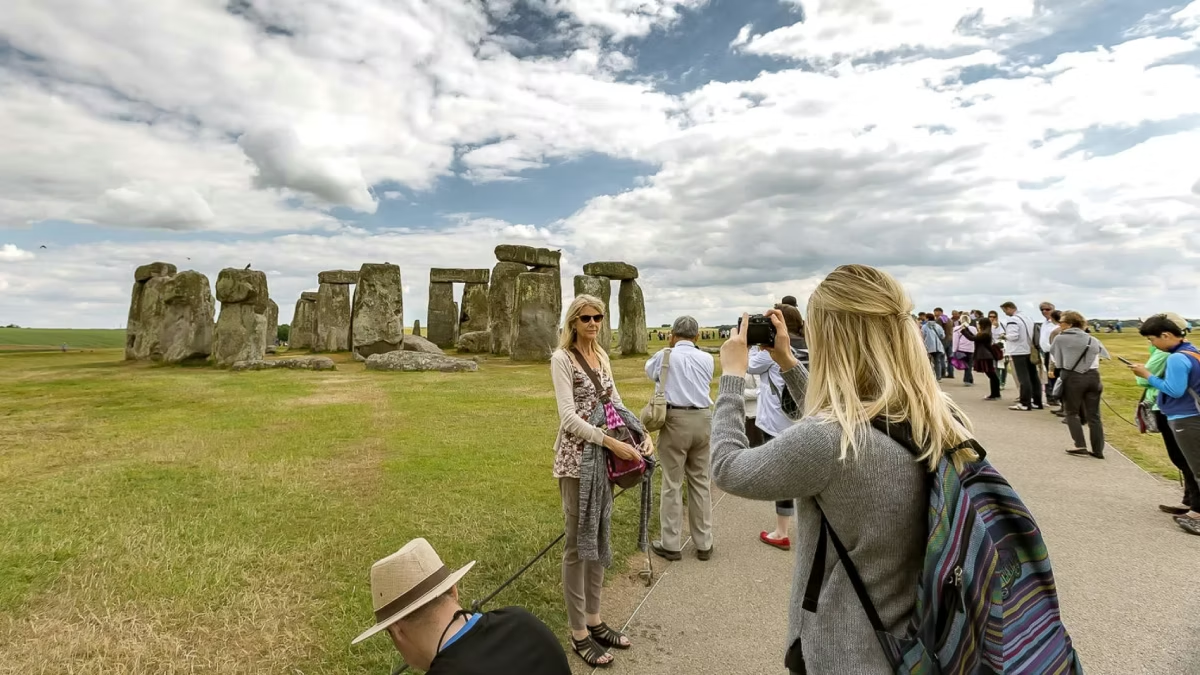
Master photography at Stonehenge with expert guidance on lighting, timing, and locations. Discover practical tips for stunning photos from the public viewing path.
Read guide →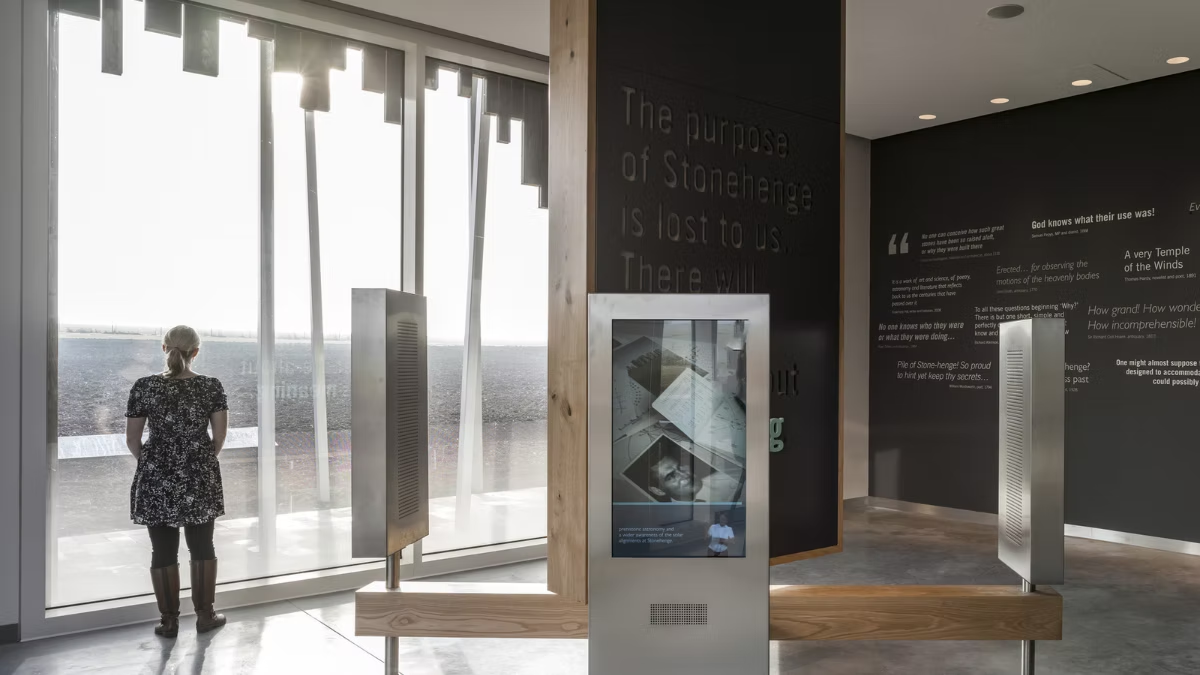
Inside the Visitor Centre
Explore the Visitor Centre exhibitions, Neolithic houses, and facilities. Maximize your time before heading to the stones.
Read guide →Stonehenge History, Myths and Mysteries
The stories, theories, and wider prehistoric landscape that give Stonehenge its enduring power.
Stonehenge Myths, Legends & Theories
Explore the myths and legends surrounding Stonehenge, from Merlin to aliens. Learn the real archaeological theories that reveal why it fascinates millions.
Read guide →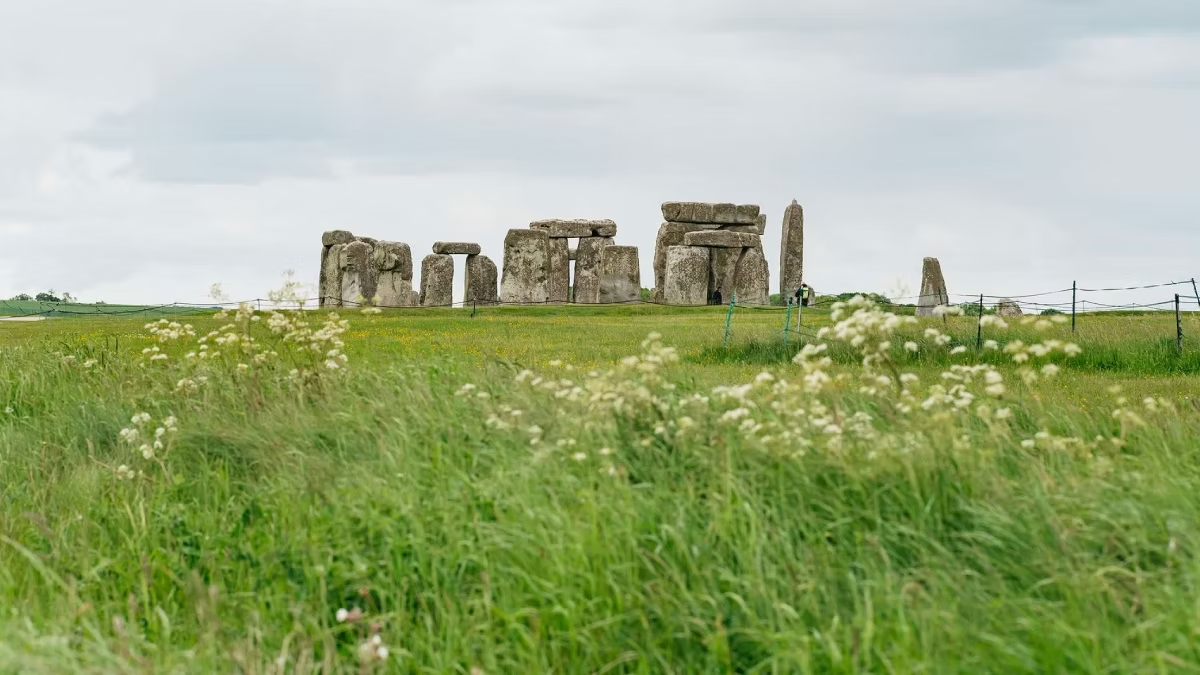
Avebury, Woodhenge & Nearby Sites
Explore the wider Stonehenge landscape with nearby stone circles and archaeological sites. Visit Avebury, Silbury Hill, West Kennet Long Barrow, and Woodhenge.
Read guide →How to Choose What to See at Stonehenge
A quick guide based on your interests and visit style.
If You Only Have One Hour
Focus on the iconic stone circle itself and the key features that tell the biggest story.
- Walk the full perimeter path for every angle of the sarsen trilithons and bluestones
- Spot the Heel Stone and Slaughter Stone — the most photographed features
- Skip the Visitor Centre exhibitions and head straight to the shuttle
For First-Time Visitors
Get the full experience from exhibitions to stone circle — this is the visit you’ll remember.
- Start at the Visitor Centre to understand what you’re about to see
- Learn why bluestones were dragged 150 miles from Wales
- Walk the Neolithic houses to see how the builders lived
- Allow 2–3 hours for the complete loop
For History and Mystery Lovers
Dig into the 5,000-year-old questions that still have no definitive answers.
- Explore why Stonehenge was built — temple, observatory, or healing site?
- Unpack the myths from Merlin to alien theories and what modern archaeology actually tells us
- Visit Woodhenge and the Cursus to see the wider ritual landscape most visitors miss
For Sunrise and Solstice Chasers
Stonehenge was built to align with the sun — experiencing that alignment is unforgettable.
- Book a Stone Circle Access visit at dawn to walk among the stones
- Summer solstice sunrise aligns perfectly through the Heel Stone — the moment the monument was designed for
- Bring a camera — golden hour light transforms the stones completely
Continue Exploring Stonehenge
Book your tickets and plan the practical details of your visit.
Plan Your Visit
Opening hours, directions, accessibility, and practical visit tips.
See planning guide →Frequently Asked Questions
Common questions about what to see and prioritise.